John T. Biggers
BORN 1924, GASTONIA, NORTH CAROLINA • DIED 2001, HOUSTON, TEXAS
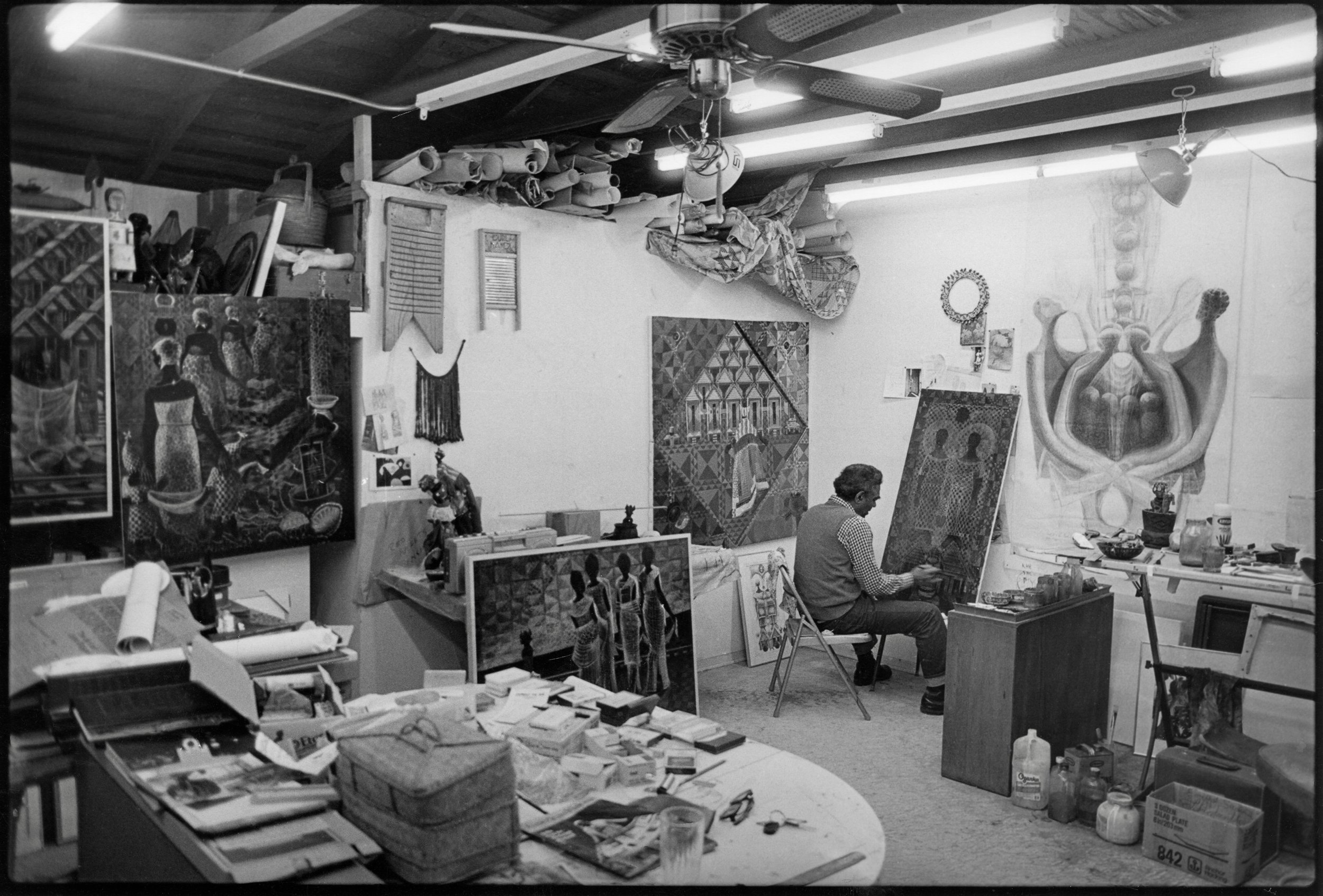
"John Biggers in His Studio, 1986" by Earlie Hudnall, Jr. Image courtesy of the artist
Available Works
About the Artist
John Thomas Biggers is a towering figure whose murals, drawings, and prints pulse with the unyielding spirit of African American life. Born in Gastonia, North Carolina, in 1924—the youngest of seven children to educator Paul Biggers and resilient homemaker Cora—young John navigated loss early, his father's death in 1936 forging a path of quiet determination. Enrolling at Hampton Institute in 1941 to study plumbing, fate intervened through a drawing class under mentor Viktor Lowenfeld, igniting a lifelong passion for art. By 19, his mural Dying Soldier graced the Museum of Modern Art's Young Negro Art exhibition, heralding his rise.
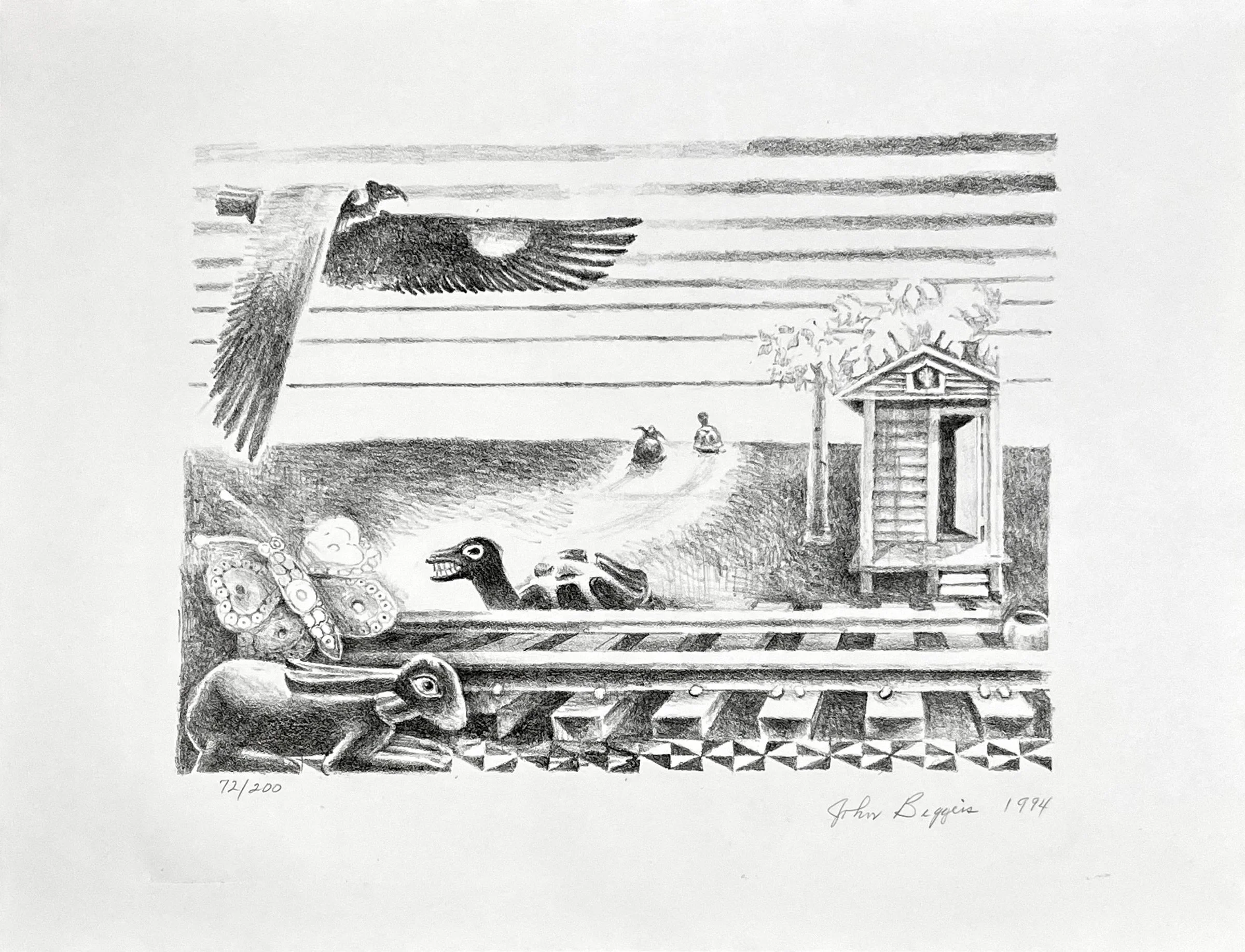
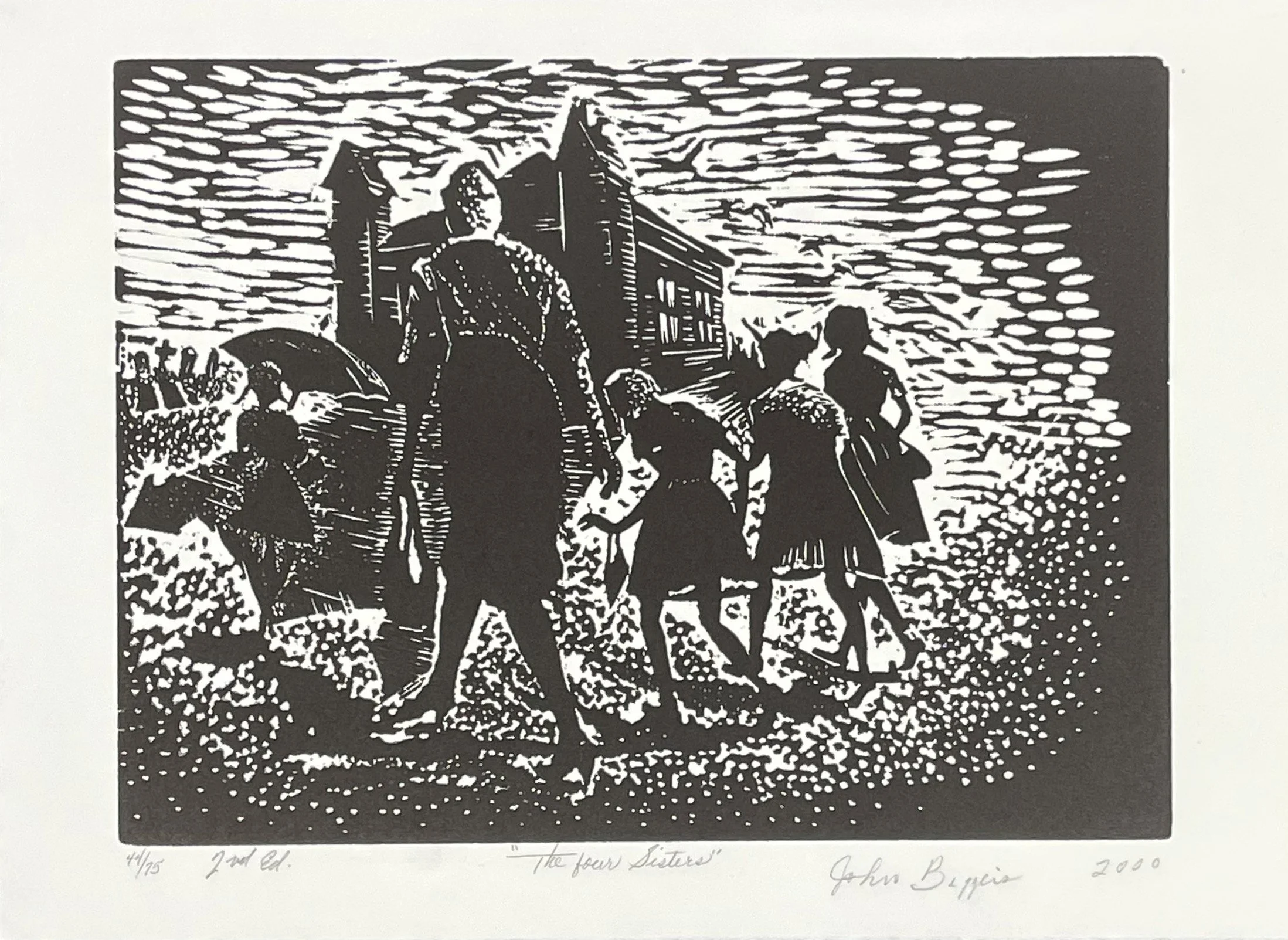
Influenced by Harlem Renaissance luminaries like Charles White and Hale Woodruff, alongside Mexican muralists Diego Rivera and José Clemente Orozco, Biggers earned his master's and doctorate at Pennsylvania State University. In 1949, he founded the art department at Texas Southern University, shaping generations until his 1983 retirement. His 1957 pilgrimage to West Africa profoundly transformed his oeuvre, weaving motifs of shotgun houses, resilient Black women, and communal harmony into symbolic tapestries that critique racial and economic injustice while celebrating cultural rebirth. A skilled lithographer, he embraced printmaking to amplify his narrative reach.
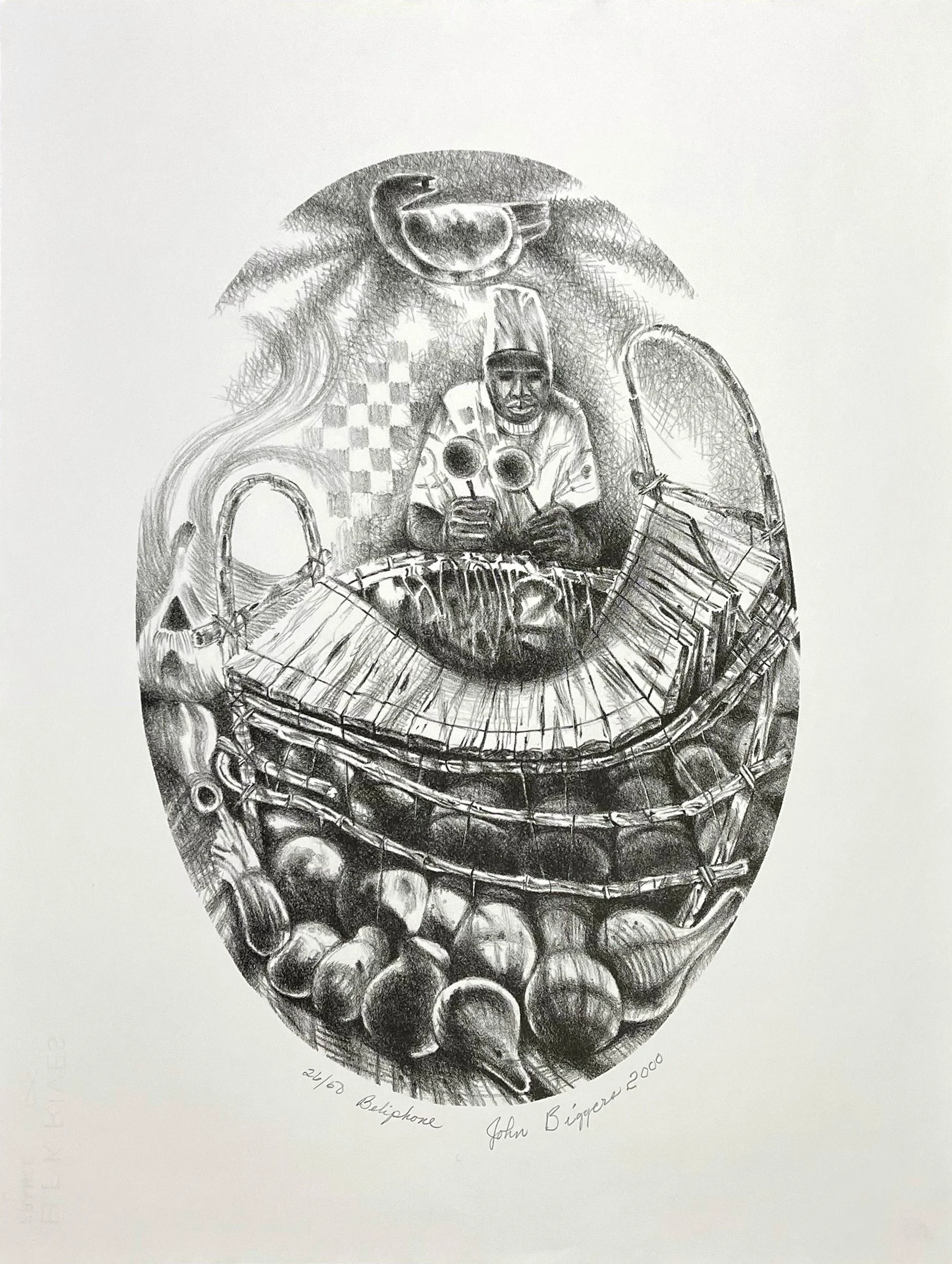
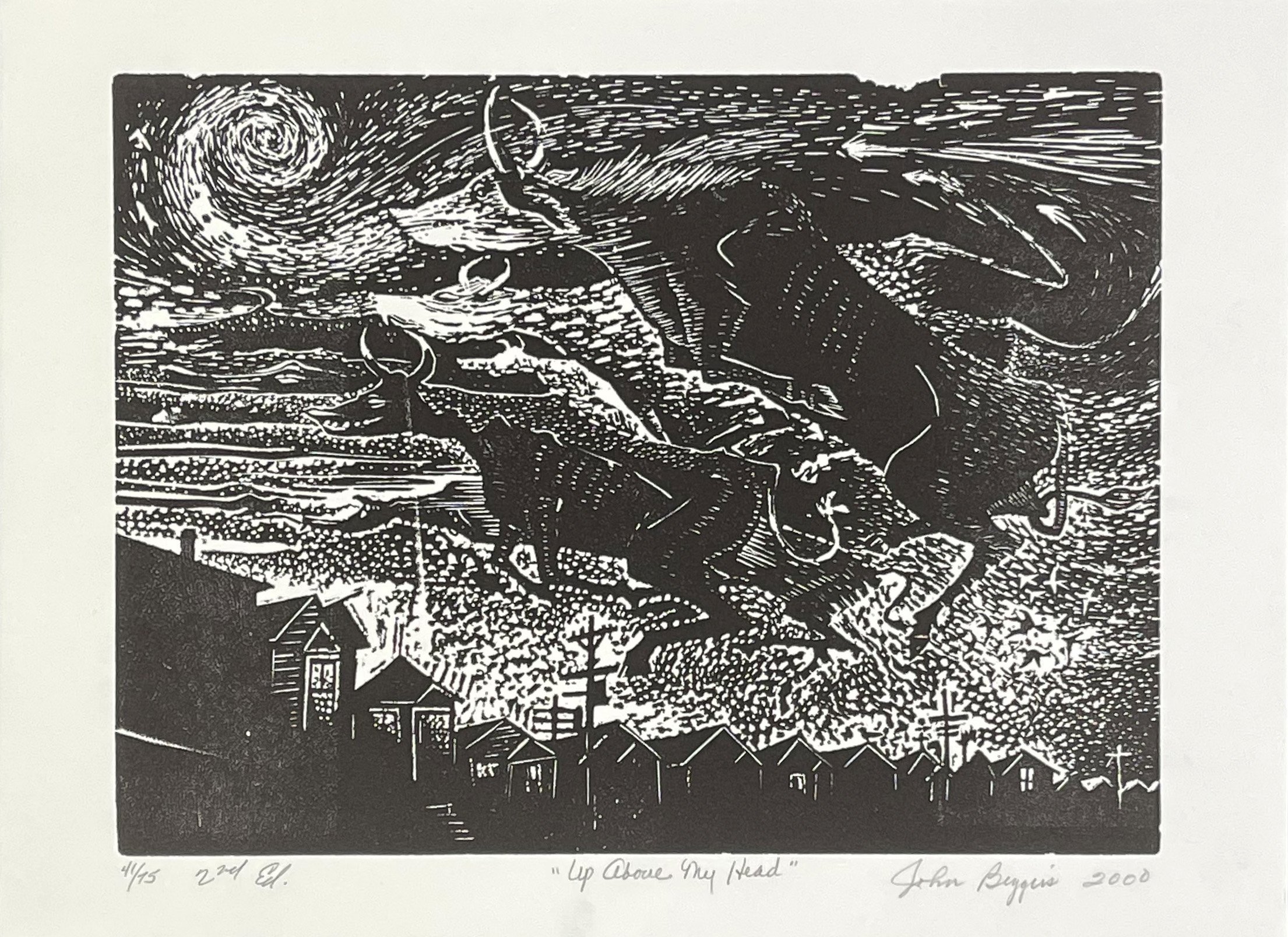
Biggers's masterpieces — over 50 murals adorning public spaces from Houston's Eldorado Ballroom to Penn State's Paul Robeson Center, alongside evocative lithographs—embody dignity and pride, as he himself avowed: art as a conduit for self-discovery. Until his passing in 2001, he championed integration of African and American narratives, leaving an indelible legacy of empowerment. We invite you to immerse in his world, where walls and prints whisper truths of endurance.